

If you want to know how to prewash rayon and viscose, here is the most important thing to understand first: rayon and viscose are the same fibre, and they are the most dramatic fabrics in the wash. They shrink, they change hand, and they can distort in ways that cotton never does. That is not a reason to avoid them. Rayon makes the most beautiful, drapey dresses and blouses, and it is worth learning to prewash it properly, because a rayon garment that is prewashed correctly will fit and drape beautifully for years.
I prewash rayon differently from cotton, and I learned the difference the hard way. My first rayon dress went into the machine on a normal cycle, and it came out shorter, narrower, and stiffer than the fabric I had started with. I had treated it like cotton, and rayon is not cotton. It is a regenerated cellulose fibre, made from wood pulp, and it behaves more like a delicate fabric than a sturdy one.
This guide covers what rayon and viscose are, how to wash them gently, how to dry and press them, what to do about shrinkage and distortion, and the mistakes that ruin rayon before you sew a stitch. By the end, you will know exactly how to prepare rayon so it sews beautifully and keeps its size.
What Rayon and Viscose Actually Are
Rayon and viscose are the same fibre, and the two names are used interchangeably. Viscose is the proper name for the fibre, and rayon is the common name used in shops. The result is a fabric that drapes like silk, breathes like cotton, and feels soft and cool against the skin.
Rayon comes in many forms. Rayon challis is a lightweight, plain weave fabric that is perfect for dresses and blouses. Viscose crepe has a slightly textured surface and a beautiful drape. Rayon jersey is a knit version that is soft and stretchy.
The key thing to know is that rayon fibres swell when they get wet, and they shrink as they dry. That swelling and shrinking is what causes the dramatic shrinkage, and it is also why rayon feels stiff when it is wet and soft when it is dry. Handle it gently when it is wet, because wet rayon is weaker than dry rayon, and it can stretch out of shape if you pull it. If you are choosing a lining to go with rayon, my guide to how to choose lining fabric covers linings that drape well with it.
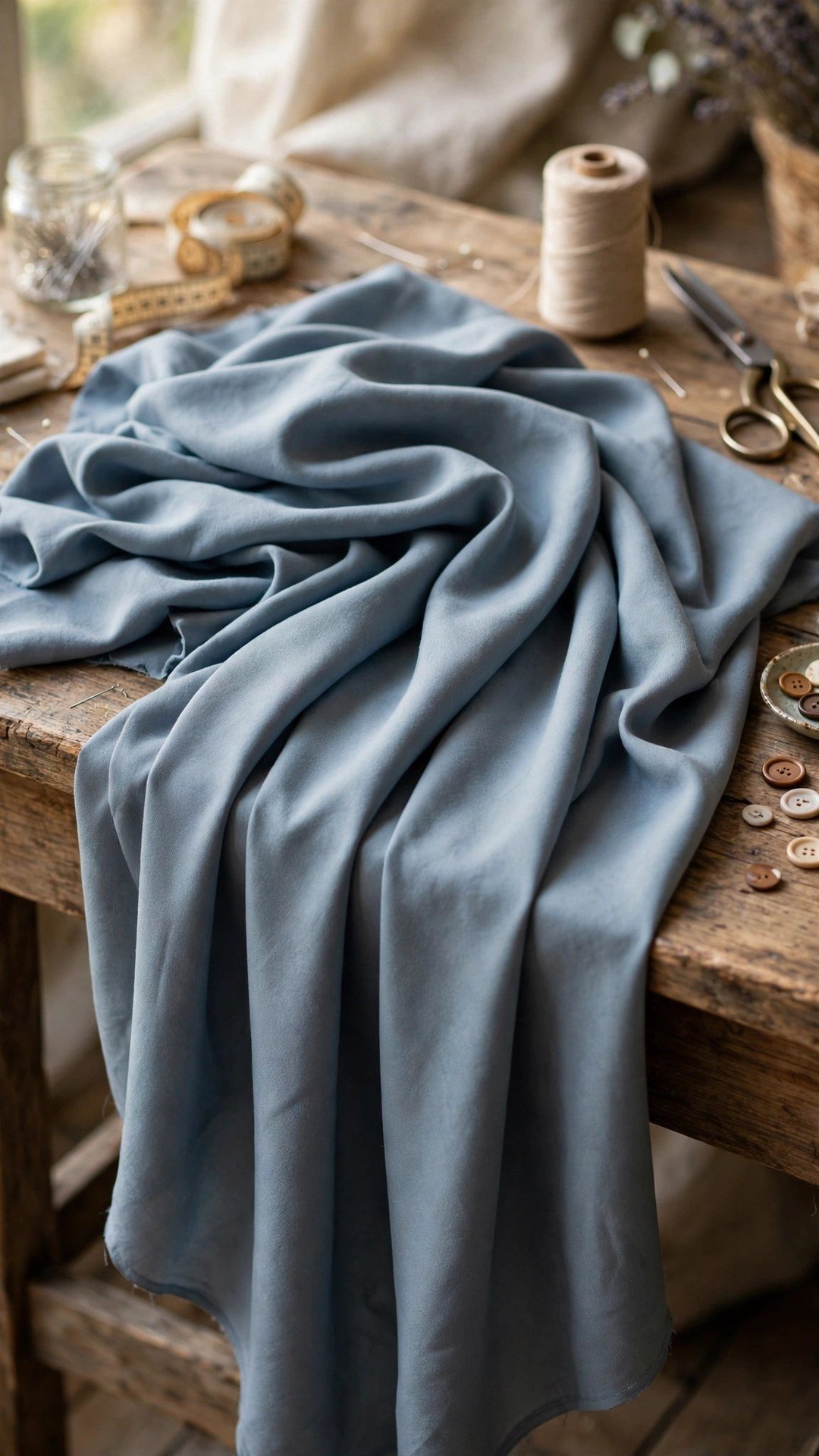
How to Prewash Rayon and Viscose Step by Step
Start by finishing the raw cut edges, because rayon frays badly in the wash. Run a zigzag stitch or a serged edge along both cut ends before the fabric goes in the water. Rayon frays more than cotton, and an unfinished edge can lose a surprising amount of fabric in a single wash.
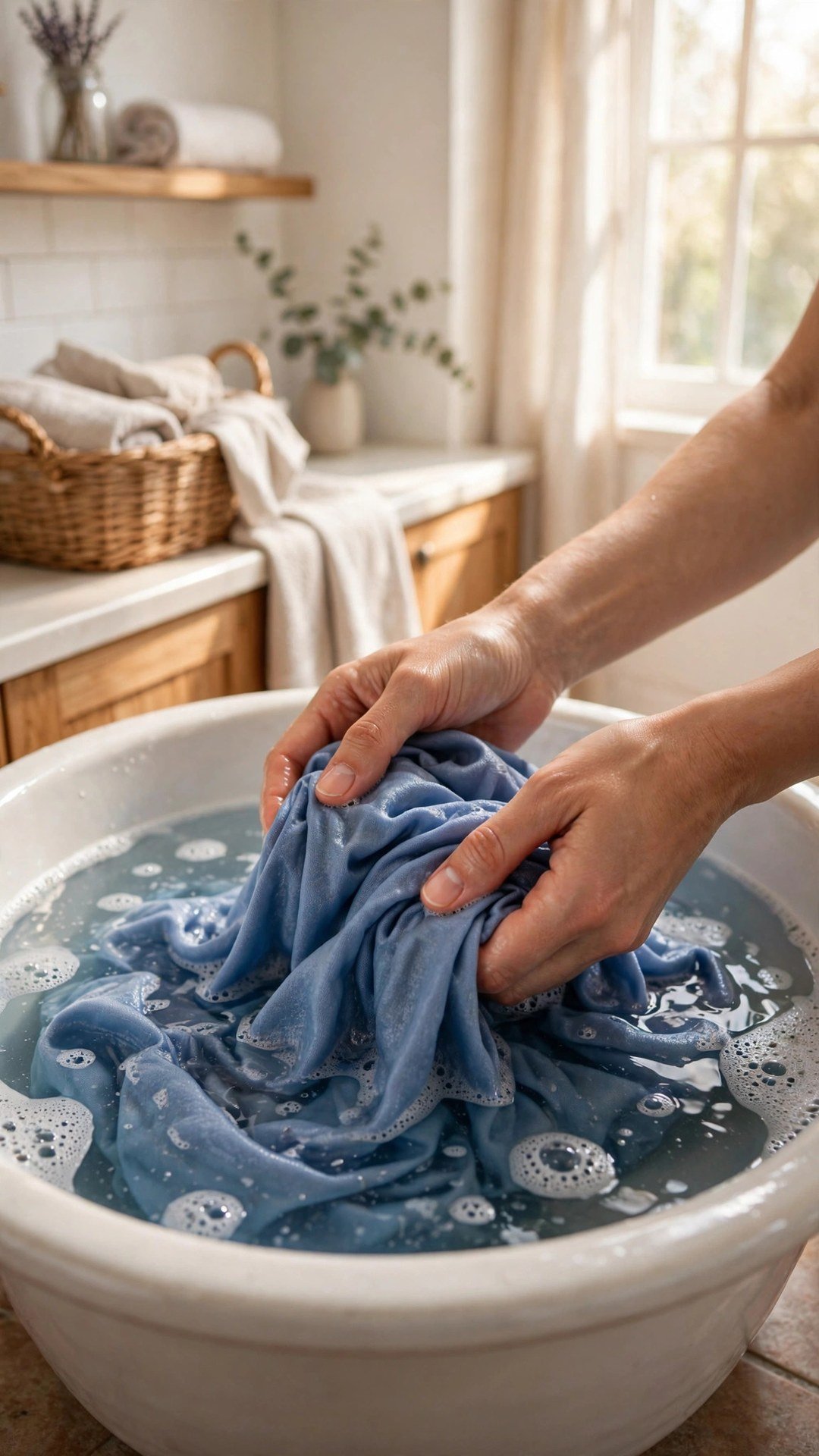
Hand wash if you can. Fill a basin with cool water and a small amount of mild detergent, submerge the fabric gently, and let it soak for ten to fifteen minutes. Do not agitate it vigorously, do not wring it, and do not scrub it. Gently press the water through the fabric with your hands, then lift it out and let the water drain. Rinse it in clean cool water, and press the water out gently by rolling the fabric in a clean towel.
If you must machine wash, use the gentlest cycle your machine has, cold water, a mesh laundry bag, and a mild detergent. Wash the rayon alone or with other lightweight fabrics, and skip the fabric softener. For the general routine that works for sturdier fabrics, my guide to how to prewash cotton and linen covers cotton and linen in detail.
Drying and Pressing Rayon
Never tumble dry rayon. The heat and tumbling can shrink it dramatically and set wrinkles that are very hard to remove. Instead, lay the fabric flat on a clean towel or a drying rack, and let it air dry away from direct sunlight. Reshape it gently while it is damp, smoothing it into a flat rectangle and making sure the grain runs straight. This is the moment to fix any distortion, because the fabric is pliable while it is damp and it will hold the shape you set as it dries.
Press rayon while it is still slightly damp, using a low to medium heat and a press cloth. Rayon scorches easily, so never press it on a high heat, and never press it without a press cloth if your iron runs hot. Press from the wrong side, use a little steam, and lift the iron rather than sliding it, which can stretch the fabric. If the rayon is bone dry, mist it lightly with water before pressing, or press it with a damp press cloth.
Check the grain after pressing. Rayon can distort in the wash, growing longer in one direction and narrower in the other. If the grain is off, pull the fabric gently on the diagonal while it is damp, until the threads run square, and then press it flat. A rayon that is off grain will twist at the seams of a finished garment, so this check matters.
Shrinkage, Distortion, and What to Expect
Rayon can shrink between five and ten percent on the first wash, and sometimes more. That is a lot, and it is why prewashing is not optional for rayon. Test a square first if you want to know the exact number, using the same method I describe in my shrinkage testing guide, and buy extra yardage to cover the loss. For a rayon that shrinks ten percent, buy at least ten percent more fabric than the pattern asks for, and prewash the full length before cutting.
Rayon can also grow. Some rayon knits relax and grow longer after washing, while the width shrinks. This is normal, and it is why you should let the fabric rest flat for a few hours after drying, so it settles back into its natural shape before you cut.
The hand of rayon changes too. It feels stiff and papery when it is wet, and soft and drapey when it is dry. This is normal, and it is not a sign that you have damaged the fabric. Let it dry completely, press it, and feel it again. The soft, fluid drape that makes rayon so lovely will be there, and it will be better than the stiff fabric you started with. For sewing with stretchy and drapey fabrics, my guide to how to sew stretchy knits has handling tips that apply to rayon jersey too.
Mistakes That Ruin Rayon Before You Sew
The biggest mistake is machine washing rayon on a normal cycle with hot water. Hot water and vigorous agitation are the fastest way to shrink and distort rayon, and they can felt the surface so it never feels soft again. Cool water, gentle handling, and air drying are the rules. If you are in doubt, hand wash.
The second mistake is wringing rayon out. Wet rayon is weak, and wringing stretches and distorts it permanently. Roll it in a towel and press the water out gently. The third mistake is tumble drying, which shrinks rayon and sets wrinkles. The fourth mistake is pressing on a high heat, which scorches rayon and leaves a shine that will not come out.
The fifth mistake is skipping the prewash entirely. I understand the temptation, because rayon is beautiful and you want to start cutting. But a rayon dress that shrinks after its first wash is a dress you will not wear, and that is a waste of beautiful fabric and a weekend of work. Prewash it, press it, and cut with confidence.

Frequently Asked Questions
Can I machine wash rayon before sewing?
Yes, on the gentlest cycle, in cold water, inside a mesh laundry bag, with a mild detergent. But hand washing is gentler and gives you more control, so I hand wash rayon whenever I have the time.
How much does rayon shrink?
Rayon can shrink five to ten percent on the first wash, and sometimes more. Always test a square or prewash the full length before cutting, and buy extra yardage to cover the loss.
Can I tumble dry rayon?
No. Tumble drying shrinks rayon dramatically and sets wrinkles that are very hard to remove. Lay rayon flat to dry, away from direct sunlight, and reshape it gently while it is damp.
Why does my rayon feel stiff after washing?
Rayon feels stiff when it is wet and soft when it is dry, and this is normal. Let it dry completely, then press it while it is still slightly damp with a low heat and a press cloth. The soft drape will return.
Is viscose the same as rayon?
Yes. Viscose is the proper name for the fibre, and rayon is the common name used in shops. They are the same fibre, made the same way, and they need the same gentle care in the wash.
Rayon is a fabric that rewards gentle handling. Wash it cool, handle it softly when it is wet, dry it flat, and press it with a cloth. Do that, and the most beautiful, drapey fabric in your stash will sew up into a garment that fits, drapes, and lasts, wash after wash.

Written by June Carter
I am June, a sewing enthusiast who loves turning simple fabric into things people actually use. I test every technique and product I write about at my own machine before it lands here.