Every sewist hits this question eventually, usually right after seeing someone’s impossibly tidy seam finishes on social media. Do you need a serger to sew well? The sewing internet will try to convince you that a serger is either an absolute necessity or a complete waste of money, and neither extreme is true. I have sewn with and without one, and I am going to give you the honest breakdown so you can decide for your own sewing table, not someone else’s.
Short version up front: a serger is a wonderful specialty tool, but it is not a requirement for good sewing. Most beginners should master their regular machine first. The rest of this guide explains exactly when a serger earns its keep, what your machine can do instead, and the downsides that never make it into the glowing reviews.
What a Serger Actually Does (and What It Does Not)
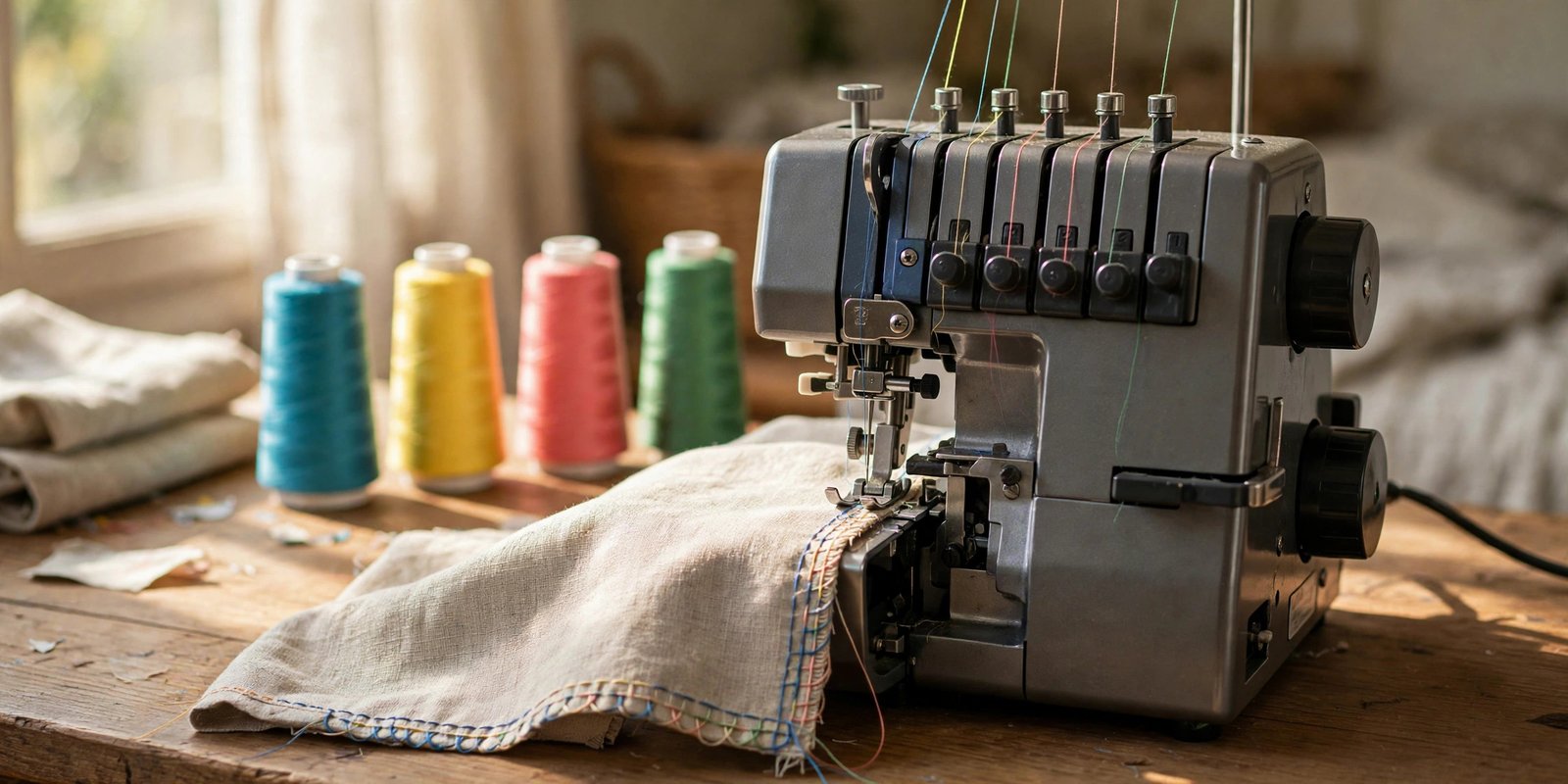
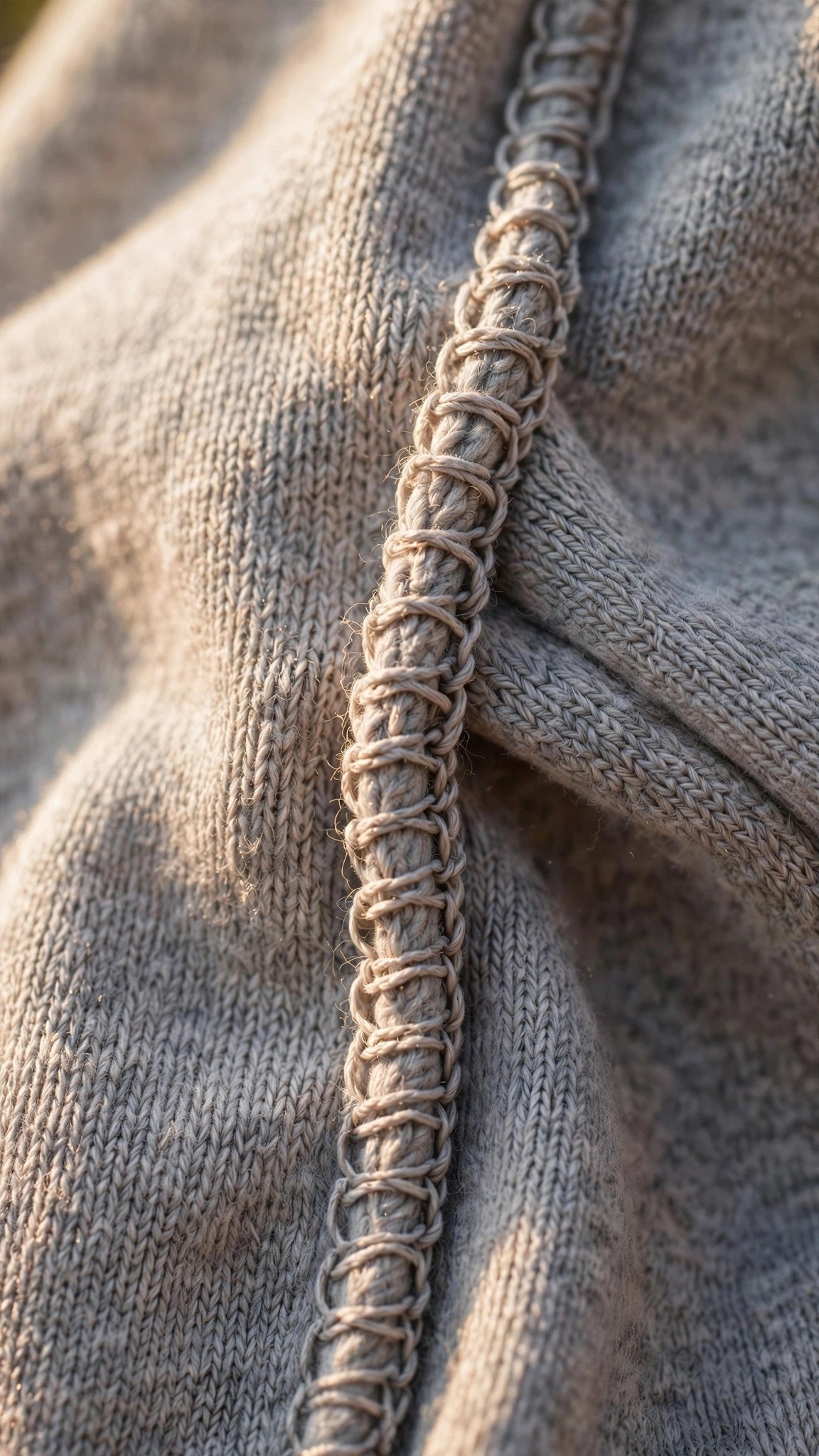
A serger, also called an overlock machine, does three things in a single pass: it sews a seam, trims the excess seam allowance with a built-in blade, and wraps the raw edge in looped threads so it cannot fray. That wrapped edge is the professional-looking finish you see inside ready-to-wear clothing. Most sergers also handle specialty jobs like rolled hems on delicate fabrics, gathering, and stretchy seams that move with knit fabrics instead of popping.
Here is what it does not do, and this matters more than people admit. A serger cannot sew a standard straight seam for construction, cannot do buttonholes or zippers, cannot topstitch, and cannot quilt. It is a finishing specialist, not a replacement for your sewing machine. You will always need a regular machine alongside it. Think of the serger as the sidekick, never the star of the show.
Do You Need a Serger? The Honest Answer
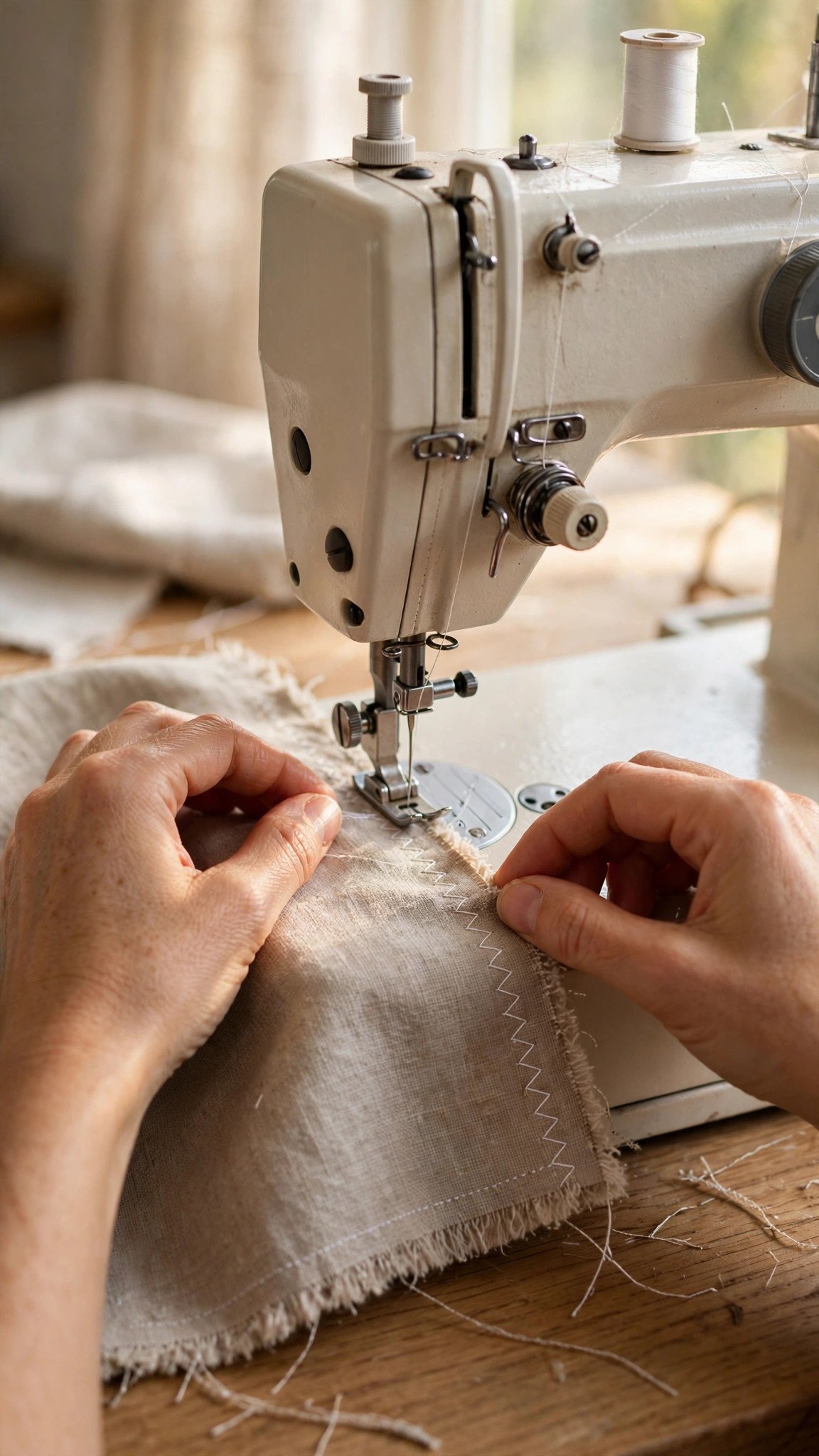
So, do you need a serger? For most beginners, my honest answer is no, not yet. If you are sewing quilts, bags, home decor, or simple woven garments, your regular machine already gives you everything you need. A zigzag stitch or an overcast stitch finishes raw edges perfectly well. French seams give you beautiful enclosed finishes on lightweight wovens. Pinking shears cut down fraying in a pinch. None of these look quite as slick as a serged edge, but they are durable, tidy, and completely respectable.
The honest truth is that a serger buys you speed and polish, not capability. It does in one pass what takes your machine two or three steps, and it does it with that store-bought look. That is genuinely valuable, but it is a luxury upgrade, not a missing fundamental. If your budget only stretches to one machine, the regular sewing machine wins every single time. When you are ready to compare models, my roundup of the best sergers for home use walks through what to look for.
When a Serger Earns Its Place: The Knit Sewist’s Case
There is one sewist for whom a serger moves from luxury to near-necessity: the person who sews mostly knits. T-shirts, leggings, loungewear, activewear, and anything stretchy are where sergers shine brightest. The overlock stitch stretches with the fabric instead of snapping the way a straight stitch does, and the differential feed, a feature that feeds the top and bottom layers at different rates, tames the waviness and stretching that makes knits so frustrating on a regular machine.
My rule of thumb is simple. Look at your last ten projects, or the ten projects you dream about making. If more than half involve knit fabrics, a serger will genuinely change your sewing life. If you touch knits once in a blue moon, your machine’s stretch stitches and a walking foot will carry you through just fine. Fabric choice drives this decision more than anything else, so if knits still intimidate you, start with my guide on how to choose fabric for a beginner project before you invest in new equipment.
What Your Regular Machine Can Do Instead
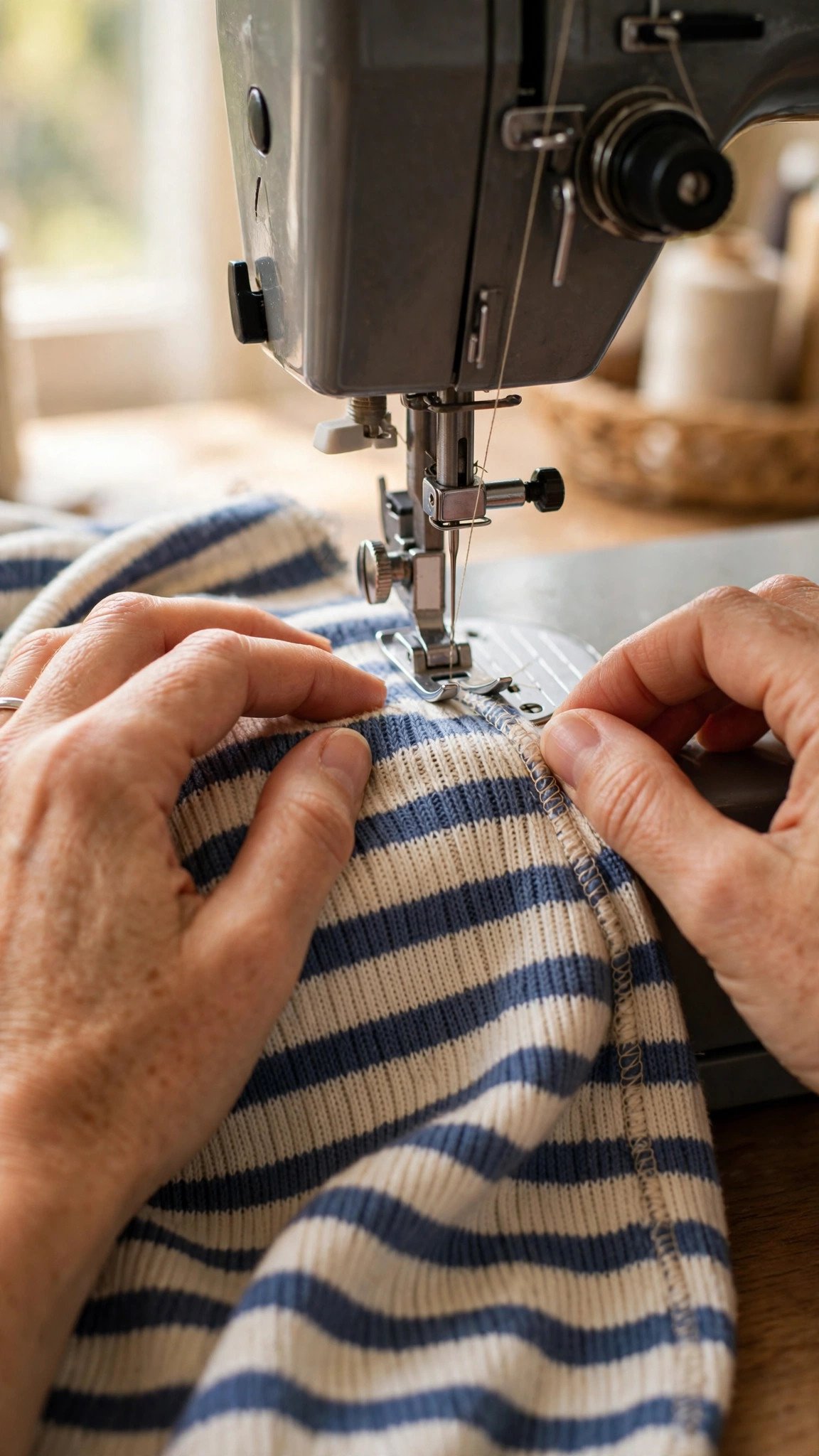
Before you spend a cent, know your machine’s full arsenal, because most beginners have never tried half of these. A zigzag stitch along the raw edge, sewn after your straight seam, stops fraying on almost any fabric. An overcast stitch, which many machines include, mimics the serger’s edge wrap surprisingly well. A narrow zigzag or a dedicated stretch stitch handles knit seams without popping. French seams enclose raw edges completely for a couture-clean finish on sheer and lightweight wovens. And a double row of stitching on high-stress seams adds serious durability.
None of these trim as they go, so you will do your own trimming with scissors, and none produce the exact look of a true overlock. But here is my opinionated take: beautifully executed alternatives beat a serger gathering dust every time. I would rather see a sewist master zigzag finishing and French seams than watch an expensive machine sit unused because threading it felt scary.
The Downsides Nobody Puts in the Reviews
Let us talk honestly about the friction, because every serger owner has felt it. Threading a serger is genuinely fiddly the first dozen times. You are routing three or four threads through a maze of guides and loopers, and one missed guide means the whole stitch falls apart. Modern machines have color-coded paths and even air threading on some models, but there is still a learning curve. My guide to threading an overlocker walks through it calmly, step by step.
Sergers are also hungry. They chew through thread far faster than a sewing machine, since every stitch uses three to four cones at once. They take up real table space as a permanent second machine, the blades need replacing, and they are loud. None of these are dealbreakers, but they are the reasons sergers end up as expensive paperweights in so many sewing rooms. Buy one because your sewing demands it, not because a sale tempted you.
How to Decide: My Simple Checklist
Answer these honestly, and the decision mostly makes itself. Do you sew knit fabrics more than half the time? Are your seams popping on stretch garments? Do you finish edges on nearly every project and resent the extra steps? Do you sew often enough that speed matters, not just occasionally? Are you comfortable threading and maintaining your current machine, so a second machine will not overwhelm you?
If you nodded along to most of those, start researching sergers with confidence. If you said no to most of them, put the money toward fabric, good thread, and maybe a better beginner sewing machine instead. The serger will still be there in a year when your sewing has told you exactly what you need. Tools should follow the work, not lead it.
FAQ
Can a serger replace my sewing machine?
No. A serger cannot sew straight construction seams, buttonholes, zippers, or topstitching. It is a finishing specialist that works alongside your regular machine, never instead of it. Buy the sewing machine first, always.
Is a serger hard for a beginner to learn?
The sewing part is easy, since you mostly guide fabric in straight lines. The threading is the learning curve, and it takes most people a handful of sessions before it feels natural. Color-coded threading paths on modern machines help enormously.
Can I sew knits without a serger?
Absolutely. Use a narrow zigzag stitch or a stretch stitch on your regular machine, and consider a walking foot to prevent stretching. Your seams will be durable and wearable. A serger just makes knit sewing faster and gives a more professional finish.
What is the difference between a serger and an overlocker?
Nothing. They are two names for the same machine. Serger is the common term in North America, while overlocker is used in the UK, Australia, and much of Europe.
Written by June Carter
I am June, a sewing enthusiast who loves turning simple fabric into things people actually use. I test every technique and product I write about at my own machine before it lands here.