
I learned to prewash fabric the expensive way: with a pair of curtains. I had measured the windows twice, cut carefully, hemmed beautifully, and hung them on a Saturday morning feeling extremely pleased with myself. Then I washed them for the first time. They came out of the dryer a full three inches shorter, puckered along every seam, and suddenly my windows had a view of my own mistake. The fabric had done exactly what cotton does when it meets hot water for the first time. I just had not given it the chance to do it before I cut.
Prewashing is the least glamorous step in sewing and one of the most important. It takes an hour of mostly waiting, it costs nothing, and it is the difference between a garment that fits on day one and still fits on day thirty. If you take one habit from this guide, let it be this: wash it before you cut it, every time, no exceptions until you know exactly why you are skipping it.
Here is what prewashing actually does, the exact routine I use for cotton and linen, the linen-specific quirks worth knowing, and the mistakes that ruin fabric before the first seam is ever sewn.
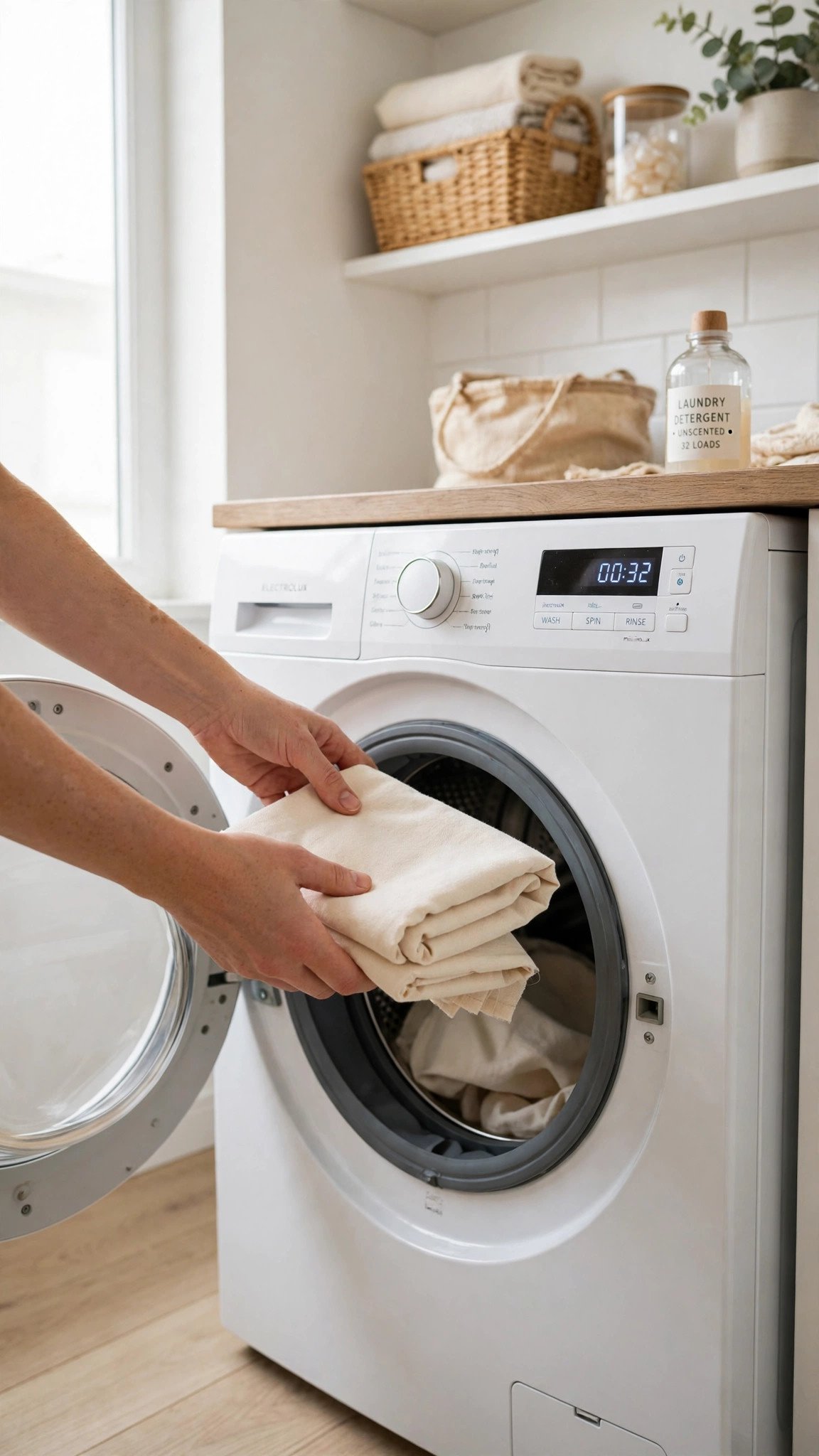
Why prewashing matters (the three things it fixes)
Fabric arrives from the store in a state you should never sew. It is coated with sizing, the starchy finish mills apply so cloth looks crisp on the bolt. It has never been washed, so all of its shrinking is still ahead of it. And dark fabrics in particular may still bleed dye. Prewashing solves all three before they can become your problem.
Shrinkage is the big one. Cotton typically shrinks 3 to 5 percent on its first wash, and linen can shrink more. On two yards of fabric, 5 percent is over three and a half inches. That is the difference between a finished garment and a garment that fits someone slightly smaller than you. Washing first moves all of that shrinkage to before you cut, which is the only place it is harmless. If you are still deciding what to buy, my guide on how to choose fabric for a beginner project covers which cottons behave best for first projects.
Sizing changes how fabric sews. That crisp, smooth finish on new quilting cotton is not the fabric. It is starch and finishing chemicals, and it makes the cloth feel more stable than it really is. Sew on sized fabric and your seams behave one way; wash the finished garment and the sizing leaves, the weave relaxes, and everything shifts slightly. Prewashing lets you cut and sew the real fabric, not the showroom version.
Dye bleed ruins finished work. Dark cottons, especially reds, navies, and blacks, often release excess dye in the first wash or two. If that first wash happens after you have sewn a navy bodice to a white lining, the white lining is now light blue. Washing darks separately before cutting keeps every color where it belongs.
The routine: wash, dry, press
This is my standard prewash for quilting cotton, cotton broadcloth, poplin, and linen. It takes about ten minutes of actual work.
1. Finish the raw edges first. Freshly cut yardage unravels enthusiastically in the washing machine, and you can lose an inch of frayed threads on each cut edge. Run a zigzag stitch or a serged edge along both cut ends before the fabric goes in the wash. The selvedges do not need it. This one step saves real fabric.
2. Sort like laundry, because it is laundry. Wash darks with darks and lights with lights, exactly as you would a normal load. A new dark red cotton has no business in the same wash as your white muslin. When in doubt, wash a new dark fabric alone the first time and check the rinse water. If it runs colored, wash it alone once more.
3. Wash warm with a mild detergent. Warm water, not hot. Hot water shrinks cotton harder and sets wrinkles into linen that you will press out for the rest of your life. Use a gentle detergent and skip the fabric softener entirely. Softener coats fibers with a waxy film that can make seams slip while you sew and can interfere with fusible interfacing later. Plain detergent, warm water, done.
4. Dry the way you will dry the finished garment. This is the part most tutorials skip, and it matters. The point of prewashing is to get all the shrinking over with under the same conditions the garment will face later. If you will machine-dry your finished clothes, tumble dry the fabric on medium. If you line-dry your clothes, line-dry the fabric. Matching the future matters more than the specific method. Pull cotton out promptly to reduce wrinkles; linen can stay slightly damp.

Linen has its own rules
Linen is wonderful to sew and slightly dramatic in the wash, so it gets its own section. It wrinkles if you look at it sideways, it shrinks more than cotton on the first wash, and it comes out of every wash softer and better than it went in. All of this is normal.
Wash linen in warm water on a gentle cycle. Expect meaningful shrinkage the first time, which is exactly why you are doing this now instead of after cutting. Tumble dry low or line dry; either is fine as long as it matches how you will treat the finished piece. Take linen out of the dryer while it is still slightly damp and press it then. Damp linen presses beautifully. Bone-dry linen fights the iron and wins.
One more linen truth: it will never look crisp like cotton, and that is not a flaw. The soft rumple is the entire point of linen. Press your seams, accept the texture, and enjoy the best-wearing fabric in your stash.
Press before you cut
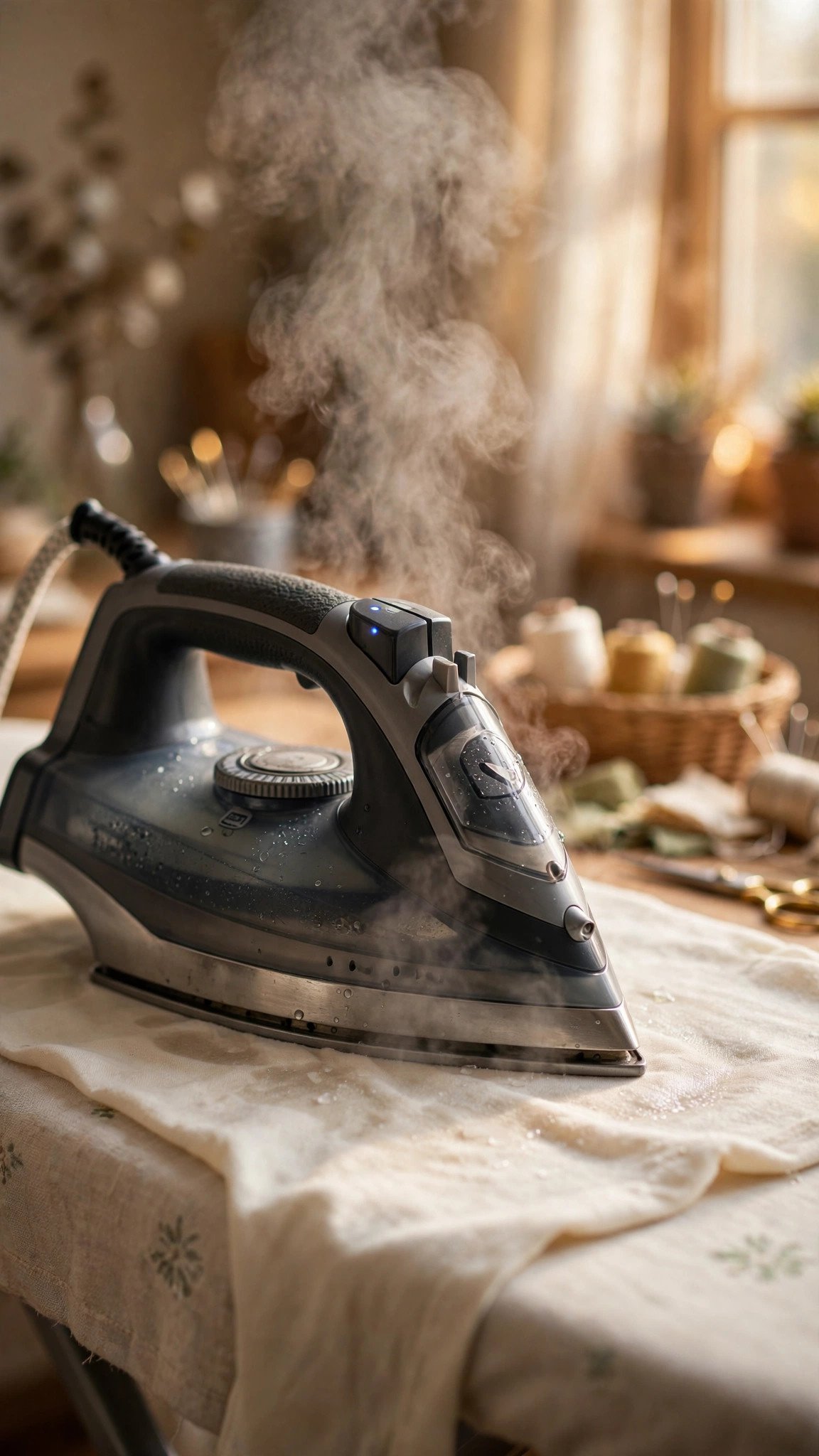
Prewashing is only half the job. Fabric comes out of the dryer with wrinkles, and wrinkles are lies your cutting line cannot afford. Press the full length of fabric before you lay out a single pattern piece, using steam for cotton and a hot iron with steam for linen.
Pressing does two quiet jobs at once. It gives you a flat, honest surface so your cutting is accurate, and it reveals the true hand of the fabric. Sometimes a fabric you loved on the bolt feels different after washing, thinner, softer, less structured. Better to discover that now, when you can still choose a different project, than after you have cut the pieces. If your first project is still undecided, these twelve beginner projects all work beautifully in prewashed cotton.
Mistakes that ruin fabric before you sew a stitch
Washing in hot water. Hot water maximizes shrinkage and can set deep wrinkles into linen. Warm is enough to remove sizing and trigger the first shrink. Save hot water for laundry emergencies, not fabric prep.
Skipping the edge finish. I mentioned this above because it is the most common regret. Unfinished cut edges fray into a tangled mess in the wash, and detangling them eats the time you thought you were saving. Zigzag the ends. It takes five minutes.
Using fabric softener. It feels like kindness to the fabric, but the coating it leaves behind makes layers shift under the presser foot and can stop fusible interfacing from bonding properly. If your seams have ever slipped mysteriously, check your softener habit. Straight, well-behaved seams start with clean fabric, which is also why practicing on prewashed scraps makes learning a straight stitch noticeably easier.
Prewashing dry-clean-only fabrics. Wool suiting, silk, rayon challis: do not put these in your washing machine. For fabrics you cannot wash, buy an extra quarter yard and accept that the finished garment goes to the dry cleaner. Prewashing is for washable fabrics, which is most of what beginners sew anyway.
Forgetting that prewashing changes yardage math. Fabric shrinks, so the two yards you bought are now slightly less than two yards. When buying washable fabric for a project, add about 10 percent to the pattern’s yardage requirement, or simply buy the next eighth-yard up. Cheap insurance.
FAQ
Do I need to prewash precuts like fat quarters?
Yes, if the finished item will ever be washed. Small pieces fray more aggressively, so finish the edges with a quick zigzag first, then wash them in a mesh laundry bag so they do not disappear into the machine. It is fiddly but worth it for anything that becomes a quilt or a garment.
What about white fabric?
Wash whites separately in warm water with a little extra rinse. White cotton can pick up stray dye from the machine itself if you have been washing darks, so run whites on their own or with other whites. This is the one case where washing alone is genuinely important rather than just cautious.
Can I prewash denim?
Yes, and you should. Denim shrinks and bleeds enthusiastically. Wash it inside out in cold water, twice if it is very dark, and tumble dry the way you will dry the finished jeans or jacket. Raw denim that will never be washed is the exception, and that is an advanced choice, not a beginner one.
How do I know the shrinking is done?
One full wash-and-dry cycle removes the vast majority of shrinkage in cotton and linen. If you are sewing something fitted where a quarter inch matters, a second cycle is cheap peace of mind. For everyday projects, one thorough cycle is enough.
Does prewashing work for knits too?
Yes. Knits shrink as well, sometimes more than wovens, and they also relax and change shape in the first wash. Wash and dry knit fabric exactly as you will treat the finished garment, then let it rest flat for a few hours before cutting so the knit settles back into shape.
Wash it, press it, then cut with confidence
Prewashing will never be the fun part of sewing. Nobody frames their prewash routine. But every experienced sewist does it, because we have all hung the shrunken curtains. Wash the fabric the way you will wash the garment, press it flat, and cut knowing the size you cut is the size you will keep. Your future self, pulling a still-fitting garment out of the dryer months from now, says thank you.
Written by June Carter
I am June, a sewing enthusiast who loves turning simple fabric into things people actually use. I test every technique and product I write about at my own machine before it lands here.