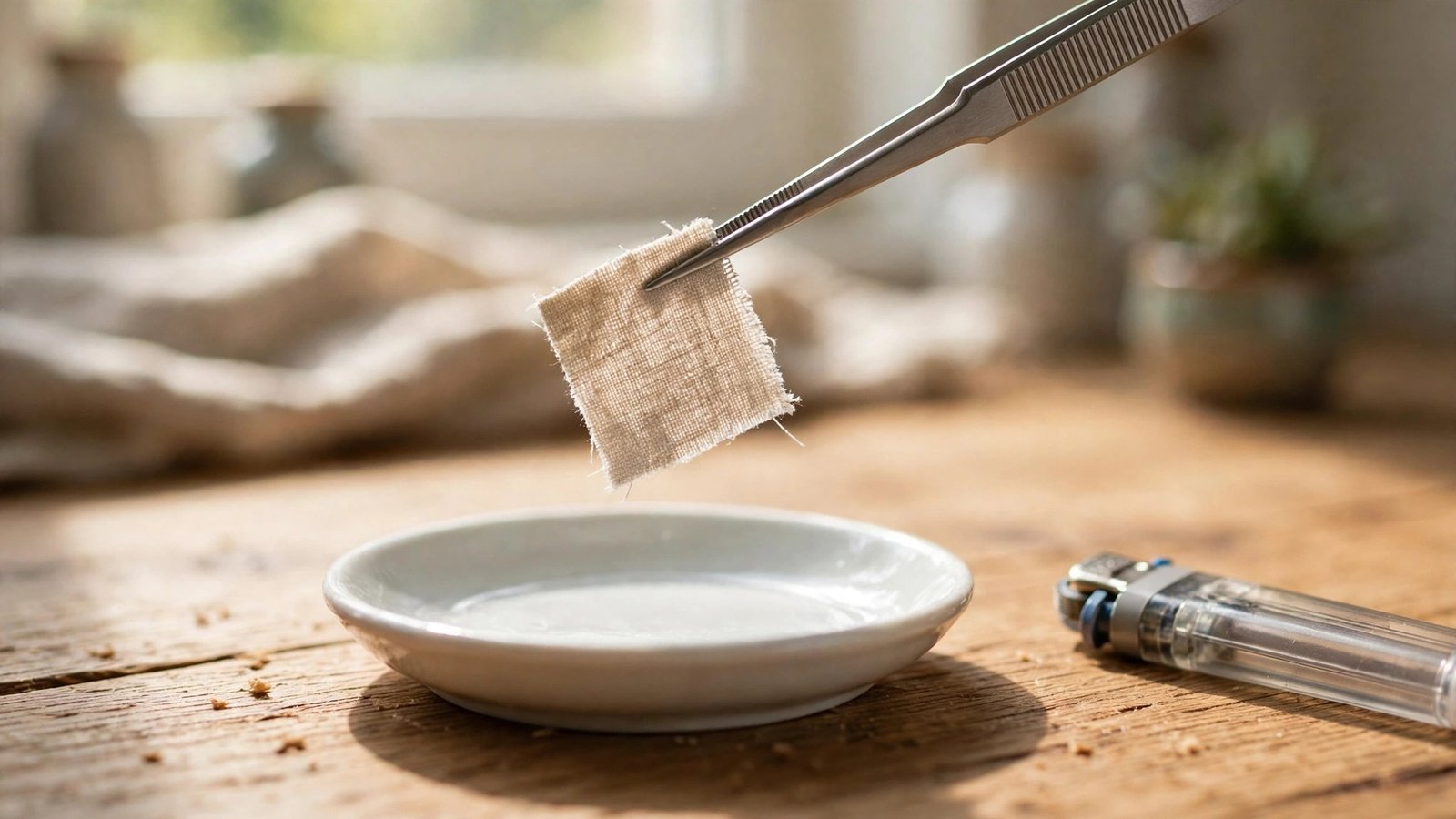
Learning how to identify fabric by burn test is the most useful skill I know for mystery fabric, the unlabeled bundle from a destash sale, the thrifted garment with the label cut out, the roll of cloth inherited from a relative. A burn test tells you what fibre you are holding, and the fibre tells you how to wash it, press it, sew it, and whether it will melt under your iron. It takes two minutes, and it needs nothing more than a pair of tweezers, a lighter, and a safe place to work.
I use the burn test whenever I buy fabric without a label, and I always test a small snippet first. It has saved me from pressing a hot iron onto polyester, which melts and sticks, and from washing a wool skirt in hot water, which would have felted it into a doll’s garment. The test is simple, but it must be done safely, so read the safety section first and follow it exactly.
This guide covers the safety rules, the step by step test, what each common fibre does when it burns, how to read the ash and the smell, and the limits of the test, including when it cannot give you a clear answer.
Safety First: Read This Before You Strike a Match
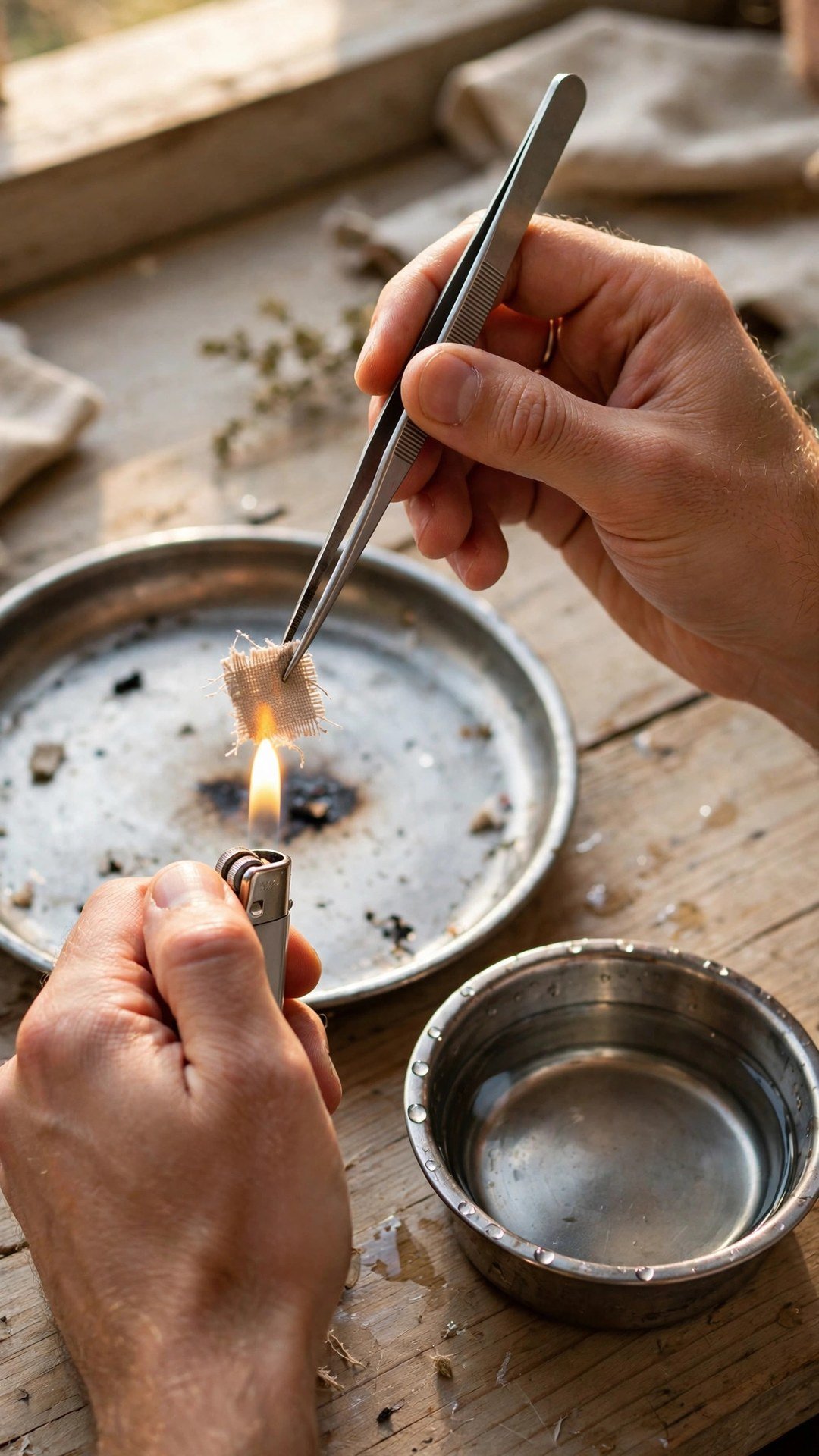
A burn test involves a naked flame, so safety comes first and there are no shortcuts. Work over a sink, a ceramic plate, or a metal tray, with a bowl of water nearby. Never test fabric near curtains, paper, or anything flammable. Tie back long hair, roll up loose sleeves, and keep the test snippet small, no bigger than a thumbnail. Hold the snippet with long tweezers, never with your fingers, and keep your hand well away from the flame.
How to Do the Burn Test Step by Step
Cut a small snippet from an inside seam allowance or a hidden edge of the fabric, about the size of your thumbnail. Unravel a few threads from the snippet if you can, because a single thread burns more clearly than a folded piece. Hold the snippet with tweezers over your sink or metal tray, and bring a lighter flame to the edge for one or two seconds.
Reading the Results: Natural Fibres
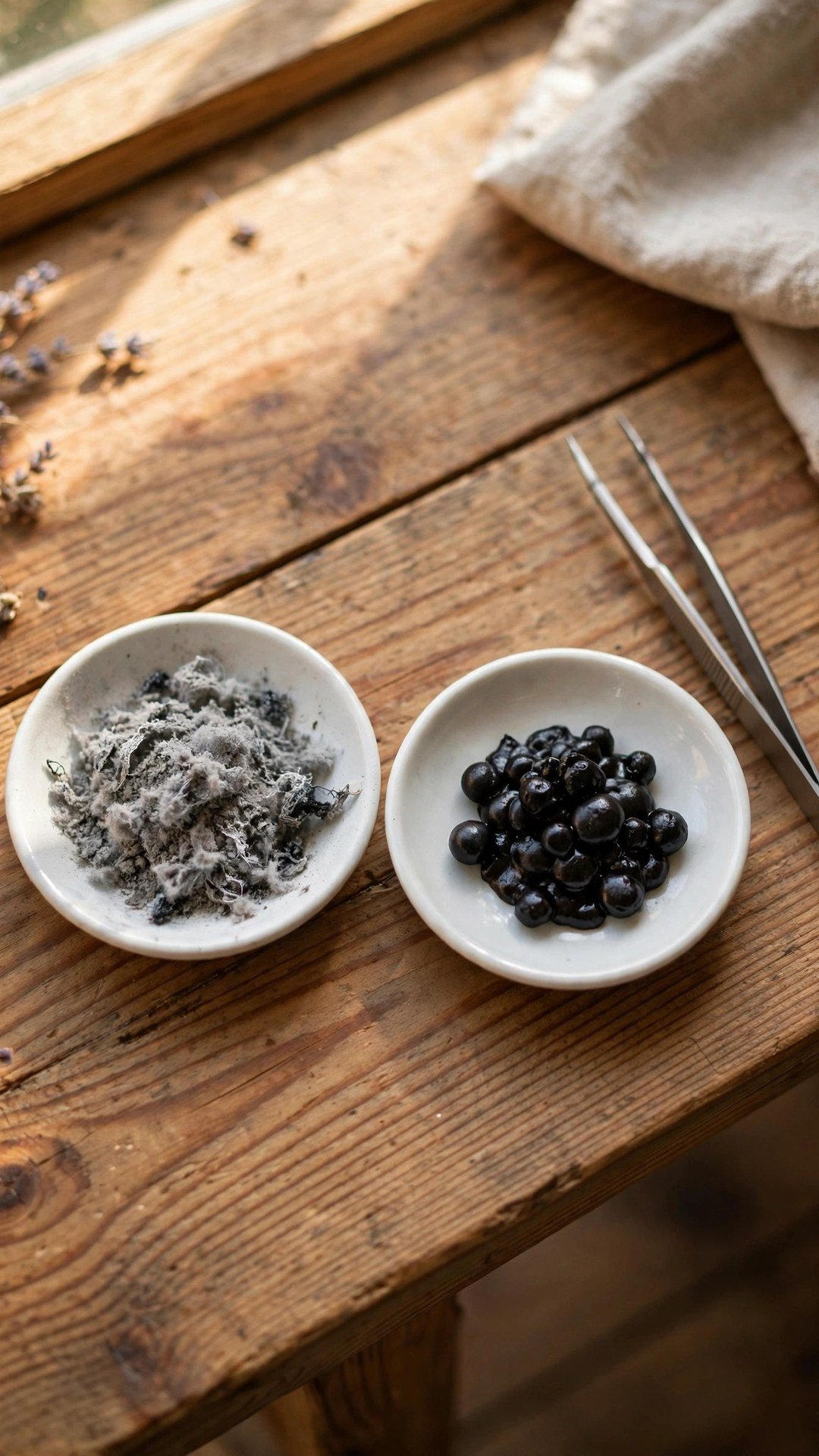
Cotton burns quickly with a steady yellow flame, smells like burning paper or leaves, and leaves a soft grey ash that crumbles easily between your fingers. It does not melt, and it keeps burning after you remove the flame. Linen behaves very much like cotton, with the same paper smell and soft ash, but it burns a little more slowly and the ash is slightly finer. Telling cotton and linen apart by burn alone is hard, so use the feel and weave as well: linen has visible slubs and a crisp hand.
Wool smells unmistakable when it burns: like burning hair, because wool is a protein fibre. It burns slowly, the flame is small and orange, and it goes out by itself when you remove the flame. The ash forms a dark, crushable bead that crumbles when you press it. Silk is also a protein fibre and smells like burning hair too, but it burns a little faster than wool, with a smaller flame, and leaves a similar dark crushable bead. Silk feels smoother and cooler than wool, which helps tell them apart.
These natural fibres share one important trait: they do not melt. They burn, they char, and they leave ash. That is why they are safer near heat than synthetics, and why you can press them with a hot iron, with steam, without worrying about the fabric melting onto the soleplate. If you are choosing lining fabric and need to know what you are working with, my guide to choosing lining fabric covers the practical differences.
Reading the Results: Synthetic Fibres
Polyester melts before it burns. It shrinks away from the flame, melts into a hard dark bead, and smells faintly sweet and chemical. If it catches fire, it burns with a black smoky flame and the melted bead stays hard when it cools. That hard bead is the signature of polyester, and once you have seen one you will never forget it. Nylon behaves similarly: it melts, shrinks from the flame, and leaves a hard round bead, but it smells a little like celery or plastic, and it burns more slowly than polyester.
Blends and Tricky Results
Many modern fabrics are blends, and blends give mixed results that can confuse a beginner. A cotton and polyester blend will burn like cotton but leave a hard bead mixed in with the soft ash. The more polyester in the blend, the more bead and the less ash. A wool and acrylic blend will smell faintly of hair but leave a hard bead. When you see mixed results, you are almost certainly looking at a blend, and the safest assumption is to treat the fabric by its most delicate fibre.
Some fabrics are treated with finishes that change how they burn. A flame retardant finish will make a fabric resist burning or go out quickly. A water resistant coating can melt and smell chemical even on a natural fibre. If a result does not match any pattern you know, test a snippet from a different part of the fabric, or wash the snippet first to remove surface finishes and test again.
When the burn test cannot give a clear answer, use the other identification methods alongside it. The stretch test, the weave, the feel, and the way the fabric drapes all add information. My guide to identifying woven and knit fabric covers the stretch and weave tests, and together the two methods identify almost any mystery fabric you will meet.
What to Do With Your Results
Once you know the fibre, you know how to treat the fabric. Cotton and linen can be washed warm and pressed hot. Wool needs gentle washing or dry cleaning and a moderate iron. Silk needs gentle handling and a cool iron. Polyester and nylon need a cool iron and a pressing cloth, and acrylic needs the coolest iron of all. Write the fibre content on a label and pin it to the fabric in your stash, so you never have to test it twice.
The fibre also tells you how to sew. Natural fibres press beautifully and hold a crease, which makes them forgiving for beginners. Synthetics can be slippery and can melt under the iron, so they need more care. Wool needs a sharp needle and a gentle touch. Silk needs a fine needle and a light hand. Knowing the fibre before you cut is the difference between a project that behaves and one that fights you at every seam.
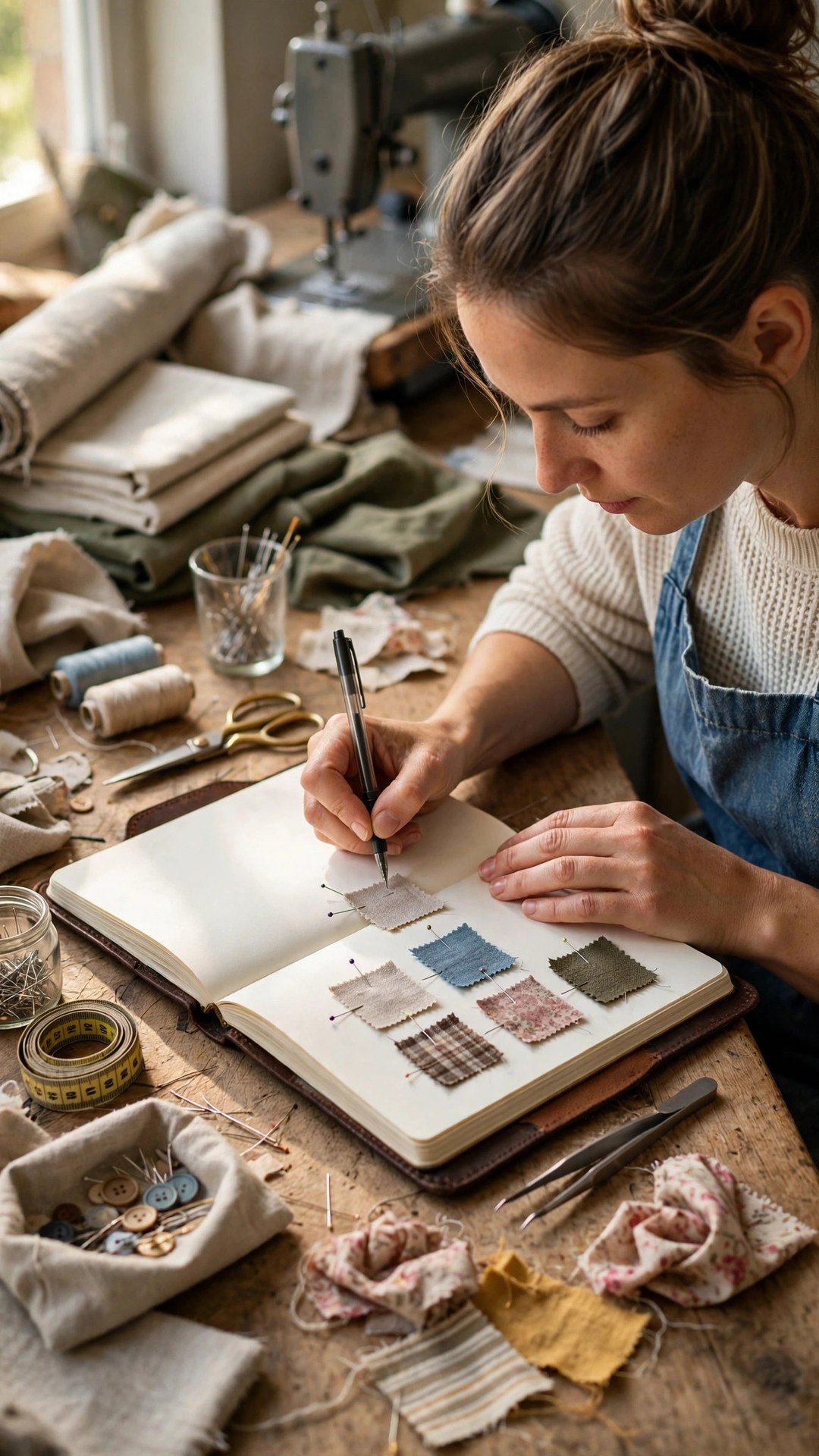
Finally, keep your burn test notes. A small swatch book with a snippet of each fabric, its burn test result, and its fibre content becomes a reference library that grows more useful every year. When you meet a new mystery fabric, you will have known samples to compare it against, and the test will feel like second nature. For choosing fabric for your next project, my guide to best fabric for beginner sewing projects is a good place to start.
Frequently Asked Questions
Is a burn test safe to do at home?
Yes, if you follow the safety rules: work over a sink or metal tray, hold a thumbnail sized snippet with long tweezers, keep water nearby, and test in a ventilated room. Never test large pieces, never test near flammable materials, and never let children do it unsupervised.
What does cotton smell like when it burns?
Cotton smells like burning paper or dry leaves. It burns quickly with a steady flame and leaves a soft grey ash that crumbles easily. It does not melt, and it keeps burning after you remove the flame.
How can I tell polyester from cotton by burning?
Polyester melts and shrinks away from the flame, leaving a hard dark bead that stays hard when cool. Cotton burns steadily and leaves soft crumbly ash. A blend will show both: soft ash with hard beads mixed in.
Can a burn test tell wool from silk?
Both smell like burning hair, since both are protein fibres. Wool burns more slowly and goes out by itself, while silk burns a little faster. Use the feel as well: silk is smooth and cool, wool is warm and slightly fuzzy.
What if the burn test result is unclear?
Test a snippet from a different part of the fabric, or wash the snippet first to remove finishes. Blends give mixed results, so treat the fabric by its most delicate fibre. Combine the burn test with the stretch and weave tests for a clearer answer.
A burn test is a small skill with an outsized payoff. Two minutes with a lighter and a pair of tweezers tells you what fibre you are holding, how to wash it, how to press it, and how to sew it. Test safely, write down what you learn, and never guess at a mystery fabric again.
Written by June Carter
I am June, a sewing enthusiast who loves turning simple fabric into things people actually use. I test every technique and product I write about at my own machine before it lands here.